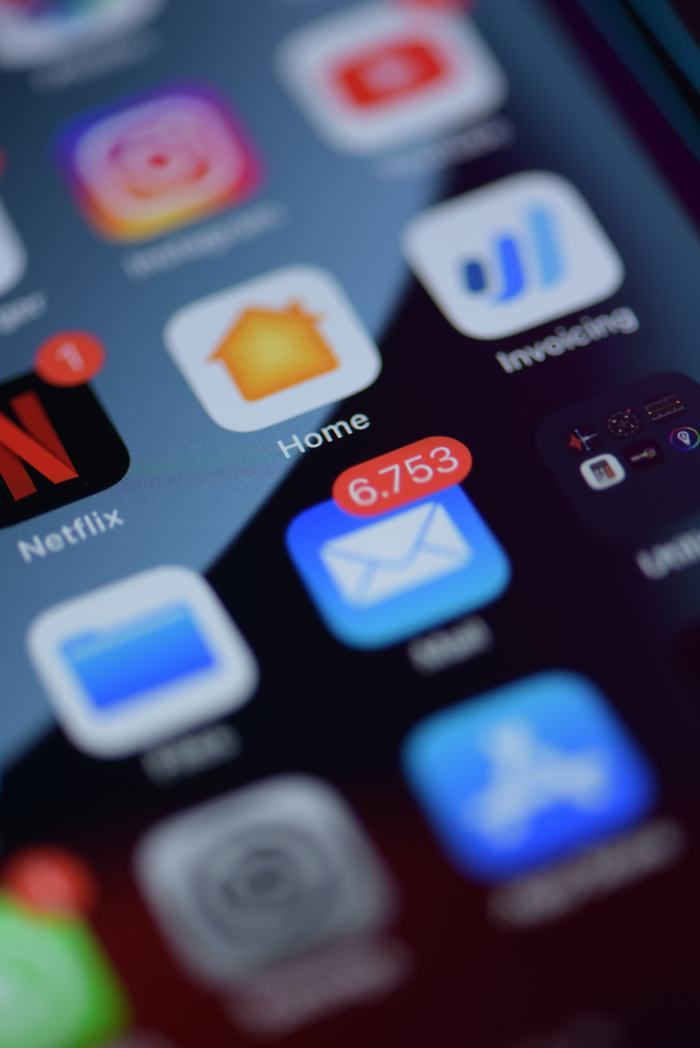
In a world where every ping, buzz, and notification demands our attention, the idea of disconnecting from our electronic devices feels almost radical. Think about it. What’s your immediate reaction when you’re running errands and realize you’ve left your cell phone behind? Panic? Anxiety? Relief?
Digital skilling is more essential than ever, but the very screens that connect us are also eroding our mental health, productivity, and relationships. The paradox of our modern time is this: How do we navigate today’s digital landscape without losing ourselves in its constant noise? The relentless pressure to stay plugged in has many wondering if a digital detox—intentional breaks from technology—could be the key to finding balance.
The Case for Digital Skills
Digital skills are indispensable in today’s fast-paced society. Proficiency in everything from social media platforms to data analytics is crucial for career advancement. Educators now weave coding, digital literacy, and tech proficiency into curricula to prepare students for a technology-driven future. Even personal tasks, from managing finances to accessing healthcare, are increasingly moving online.
Yet, the more we rely on technology, the more we risk burning out. The "always-on" culture blurs the line between work and personal life, contributing to stress and mental health challenges. The cost of constant connectivity is high. It’s time to rethink our approach.
The Need for a Digital Detox
Enter the concept of a digital detox: taking intentional breaks from screens to restore focus, clarity, and presence. Research consistently links prolonged screen time to sleep disturbances, anxiety, and physical ailments like eye strain and headaches. Advocates of digital detox argue that disconnecting can help restore balance, deepen human connections, and improve mental clarity.
But is complete disconnection realistic in today’s screen-centered world? Perhaps not. The solution may lie in moderation—using technology intentionally, without allowing it to overwhelm our lives.
Striking the Balance
Achieving balance in our digital lives requires a thoughtful, measured approach. Here are five strategies that can help:- Set Boundaries: Draw clear lines around technology use. For instance, limit screen time after work hours or designate tech-free zones at home. Simple steps like no phones at the dinner table or during family activities can make a big difference.
- Prioritize Purposeful Tech Use: Instead of mindlessly scrolling, engage with technology in ways that add value. Use it to learn a new skill, connect meaningfully with others, or solve problems. Turn off unnecessary push notifications to avoid digital distractions.
- Practice Mindfulness: Incorporating mindfulness techniques like meditation or yoga can help us become more aware of our technology habits, stay grounded in the present moment, and foster deeper connections with yourself and others.
- Schedule Detox Periods: Plan regular breaks from screens, whether for an hour, a day, or even a weekend. Use this time to engage in offline hobbies, take walks, or simply relax. Consider designating a "Screenless Sunday" or simply eliminate screens during the first and last hours of your day to recharge and refresh.
- Use Tech to Your Advantage: Ironically, technology itself can help regulate our screen time. Apps that track usage, block distractions, or promote focus can help you stay intentional with how you use your devices.
Embracing Responsible Technology Use
Taking control of technology’s role in our lives should be a collective effort. Employers, educators, and policymakers can help by promoting digital wellness initiatives and encouraging healthy tech habits. By creating environments that prioritize both digital skilling and mental well-being, we can work toward a balanced and sustainable future.
Ultimately, the key to balancing digital fluency with mental well-being lies in moderation. It’s not about rejecting technology but using it responsibly without letting it dominate our lives. The goal isn’t to live without technology—it’s to live with tech, without letting it overpower the human connections, creativity, and peace of mind that truly matter.