NC State University Top Recommendations for High-Yielding Wheat
By Dr. Angela R. Post, Small grains Extension Specialist, North Carolina State University
As we approach optimum wheat planting time in North Carolina, below are some tips to follow throughout the season. The weather forecast for the next 10 days has a great outlook for both soybean harvest and the beginning of small grain planting with partly to mostly sunny days and limited chances for showers. Once you have planted make sure to scout fields about 7 to 10 days later to assess population and early weed pressures.
NC State University top recommendations for high-yielding wheat:
1. Use at least 30 lb N per acre at planting or within 30 days of wheat emergence.2. Use a fungicide seed treatment.
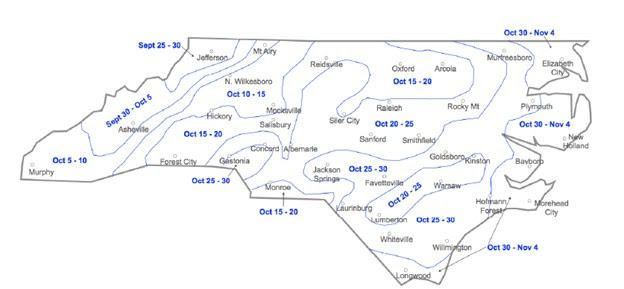
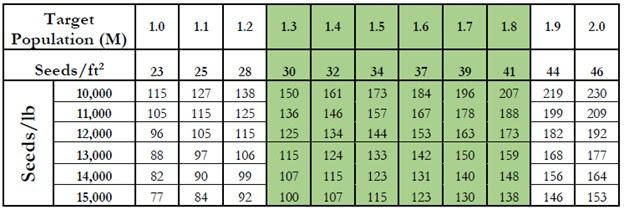
3. Plant your wheat before Thanksgiving. Earlier planted wheat has more chance to be successful than late planted wheat. Begin your wheat planting based on the first date in the planting date map (Figure 1) for your region and continue for up to 21 days after. Follow the seeding rate chart (Table 1) to determine how many pounds of seed per acre to plant based on seed size and target population.
4. For high-yielding wheat 90-110+bpa, plan for 150 total lb N total per acre. Count the nitrogen used up front in your total. So if you put 30 up front, topdress total should be 120 lb N. If you are in a sandier region or a region with top yields between 55 and 70bpa, lower your total nitrogen to 90-120 lb N per acre.
5. Spread your risk and plant at least three varieties across your farm and more than one maturity. Choose varieties that are suited to your region and have solid consistency across the statewide OVT data. If you have not yet selected varieties and need a customized variety selection list, please email angela_post@ncsu.edu this week!
6. Plan to protect wheat varieties susceptible to diseases with at least one fungicide application.