After a cooler and cloudy start, we have transitioned to a brighter and much hotter late June. The cloudy weather gave the fields a pale yellow color. The abundant sunshine has helped turn them to a more normal color.
After a cooler and cloudy start, we have transitioned to a brighter and much hotter late June. The cloudy weather gave the fields a pale yellow color. The abundant sunshine has helped turn them to a more normal color.
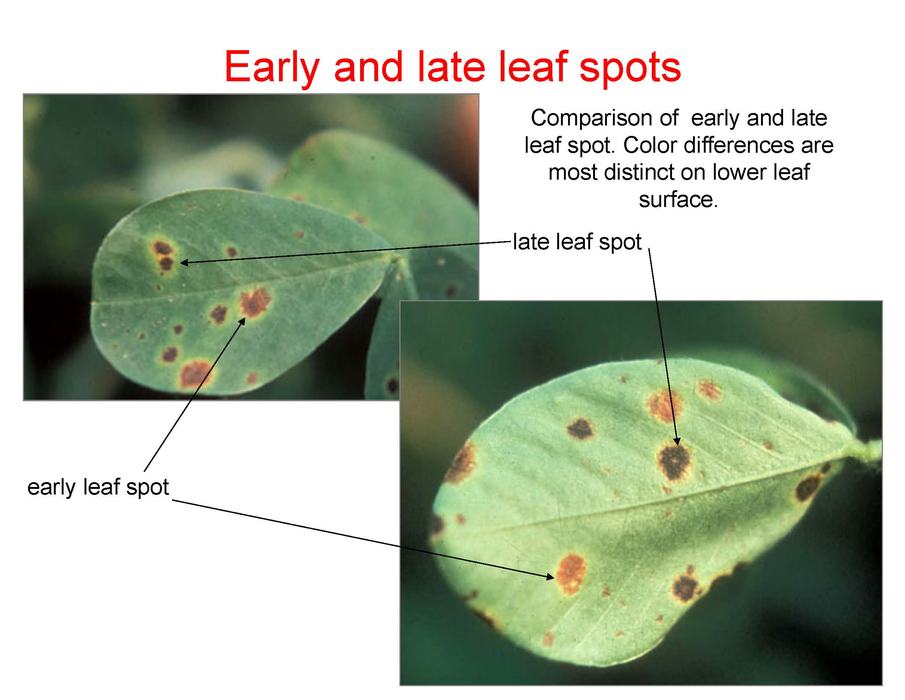
As we turn the calendar to July, growers should begin leafspot sprays. Generally, these start 45 days after emergence or at the R3 growth stage which generally is in early July. To help manage disease resistance, rotate chemistries throughout the season. NC State continues to recommend chlorothalonil for the first and last sprays. Not only does this help with resistance, but it is relatively inexpensive. All of our leafspot chemicals can do a good job if applied early and repeated on time. Most of these are considered preventative chemistries. There are a couple with curative actions and are probably more valuable in the midseason, such as Provost Silver and Revytek.
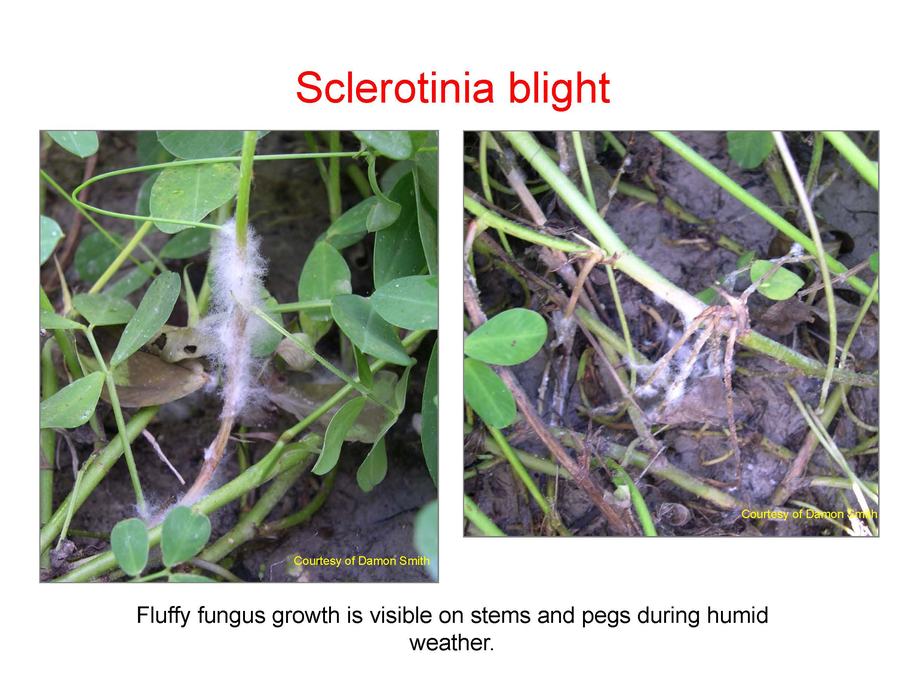
If you have fields with a history of Sclerotinia, consider an application of Miravis plus Elatus. It is strong on leafspot as well as stem rot with a 3-week interval between applications. Generally, this is not recommended until the third spray when conditions are more suitable for infestations.
Enter your email address to receive updates.