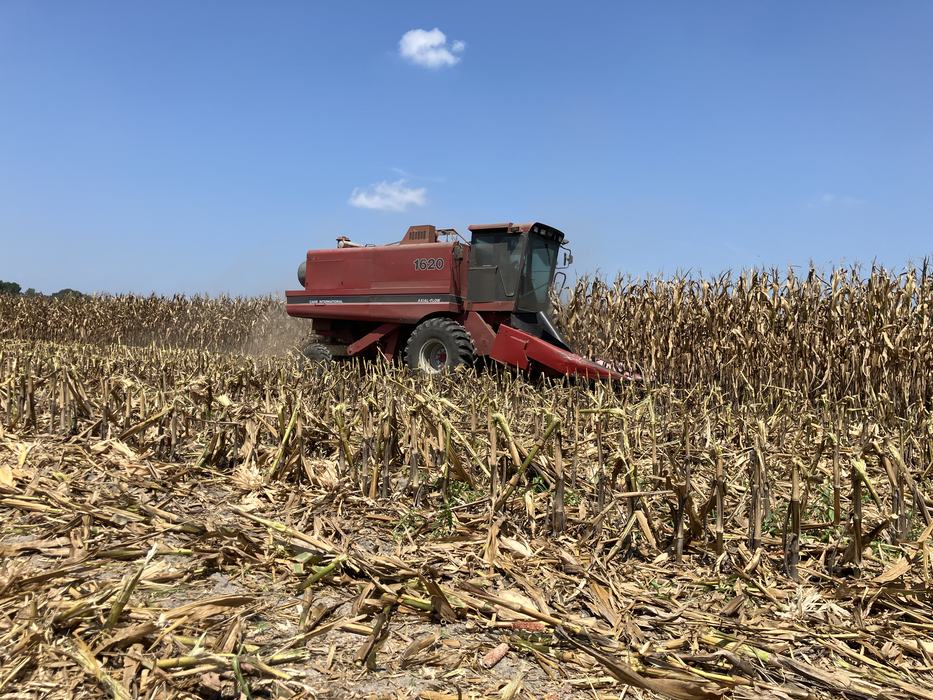
Overview of 2026 Yields and Outlook
Corn yields across the Upper Coastal Plain test sites in 2026 were at or slightly above average. The majority of June and July saw considerable drought in the region, which may have capped some of these yields. While some localized areas posted below-average results, most of the region yielded as expected.
Looking ahead, planting corn in 2027 may be challenging given the current market and all the elevated input prices. It goes without saying that I made a very similar statement at this time last year. However, this also remains true; remember that both the market and growing conditions are dynamic. Work to maintain profitability and adopt a diverse cropping system to effectively spread risk in 2027. This includes planting a diversity of hybrids and not just one or two across the whole farm. The data in this report illustrate the performance of various hybrids and, along with the NC State OVT Variety Selection Tool, are designed to help with your hybrid selection decisions for the upcoming season.
The Region
For the fifth consecutive year, Upper Coastal Plain counties collaborated to install both irrigated and dryland corn hybrid tests. The 2026 study included 11 individual test sites located across 11 participating counties: Bertie, Edgecombe, Franklin, Greene, Halifax, Hertford, Martin, Nash, Northampton, Pitt, and Washington. Conditions at the Pitt County site did not allow those hybrids to be taken to yield. Conditions in Martin County were also stressful, but the site illustrates the value of diverse, well-selected hybrids.
Data Presentation and Interpretation
The results from the eleven sites are summarized in the tables below. Additional data tables are also provided, including separate results for dryland, irrigated, and individual county tests.
- Ranking: Test hybrids are ranked by their average yield across all relevant locations. A rank of "1" indicates the highest yield, and "21" indicates the lowest.
- Top Performers: The top three highest-yielding hybrids are visually indicated by color: blue for first place, red for second, and yellow for third.
- Check Hybrid: A standard check hybrid (e.g., Dekalb DKC68-35VT2P) was used at all sites. This hybrid was planted on the outside borders of each plot, and after every third tested hybrid within the plot.
Acknowledgements
We extend our sincere gratitude to the following individuals and organizations for their invaluable contributions to the 2026 testing program:
- Participating Growers: For their on-site support and commitment.
- Seed Companies: For their continued financial and material support, which makes this level of investigation possible. We look forward to their participation in 2027.
- Clif Hardison and Sweetwater Creek Seeds: For providing warehouse space for seed storage and staging.
- Rick Strecker: For supplying the check hybrid (DKC68-35VT2P) used at all sites.
- Ben Winslow: For his ongoing support and expertise provided to the team.
If you have any questions, please contact the North Carolina Cooperative Extension
Bertie County Center @ 252-794-5317
Edgecombe County Center @ 252-641-7821
Franklin County Center @ 919-496-3344
Greene County Center @ 252-747-5831
Halifax County Center @ 252-583-5161
Hertford County Center @ 252-358-7822
Martin County Center @ 252-789-4370
Nash County Center @ 252-459-9810
Northampton County Center @ 252-534-2711
Washington County Center @ 252-793-2163